

August 28, 2025

Why Builders Are Choosing Wood Fencing for Eco-Conscious Projects

Building Green from the Ground Up: The Rise of Sustainable Wood Fencing


In today's construction landscape, sustainability is more than a trending buzzword; it's a driving force behind every step of the building process. From sourcing renewable materials to minimizing job site impact, builders are rethinking traditional approaches in favor of greener solutions. One area gaining ground in eco-conscious construction? Fencing.


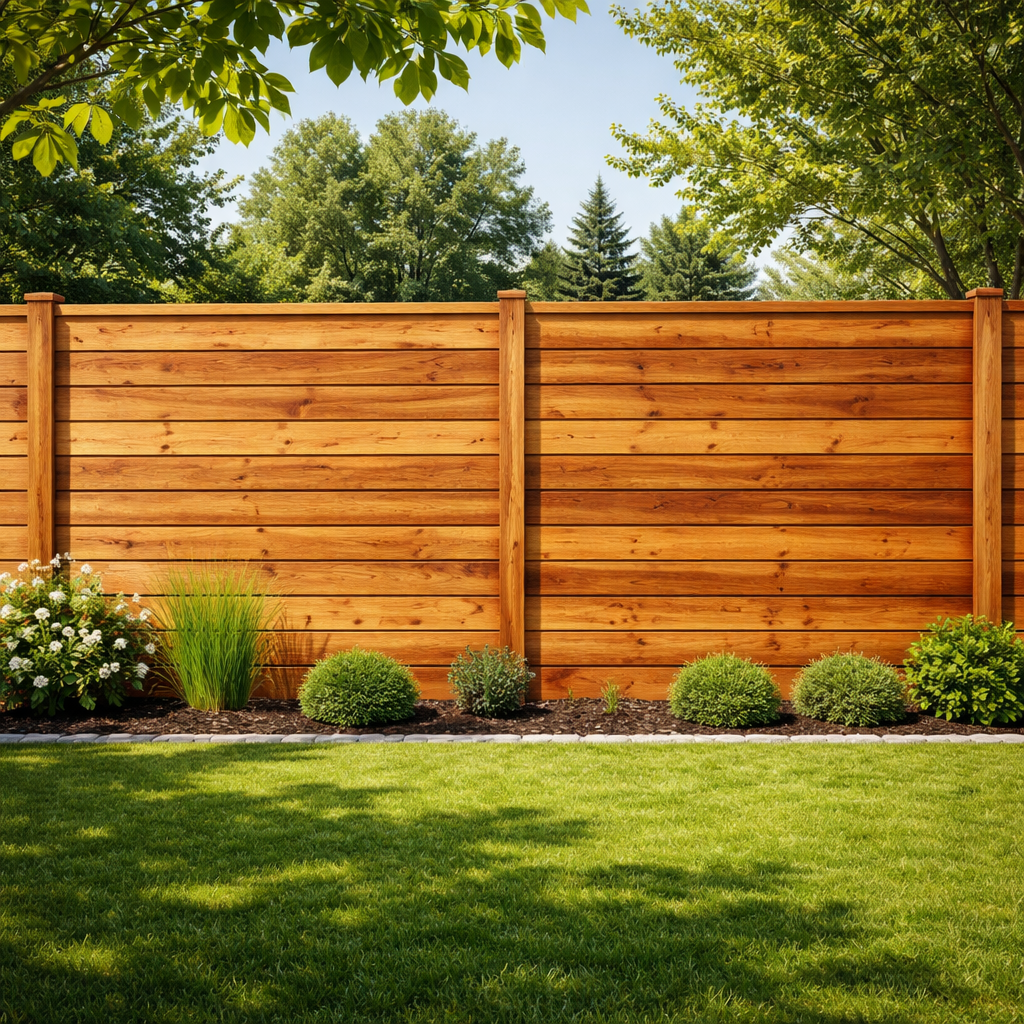
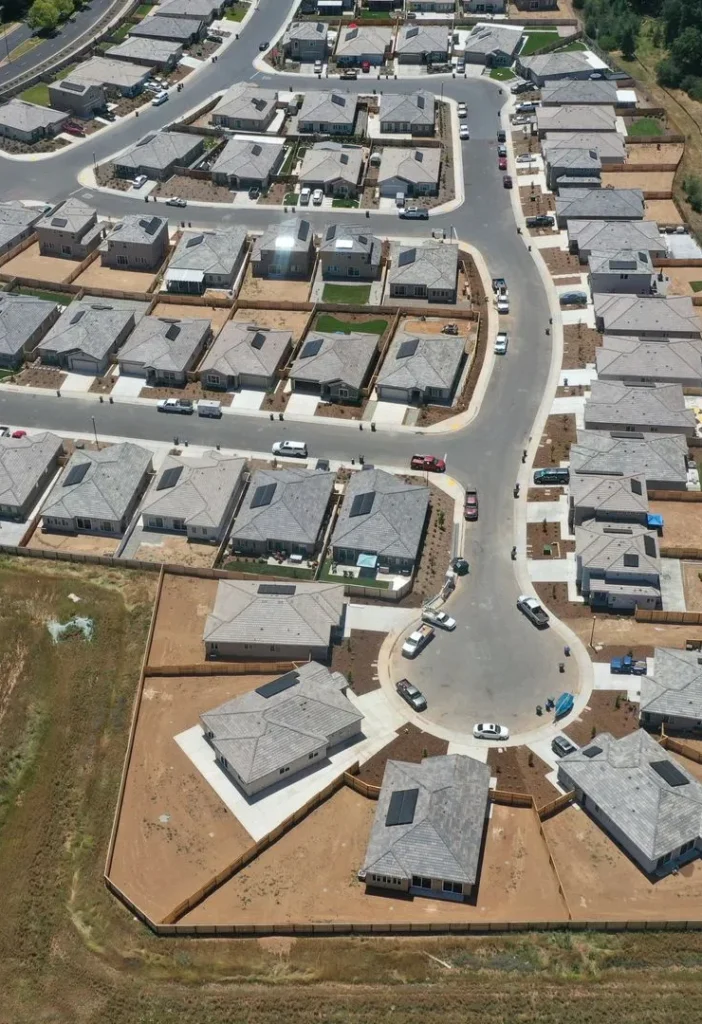
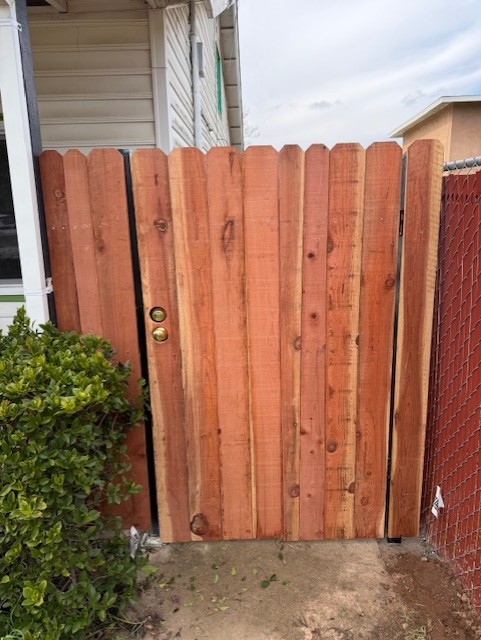
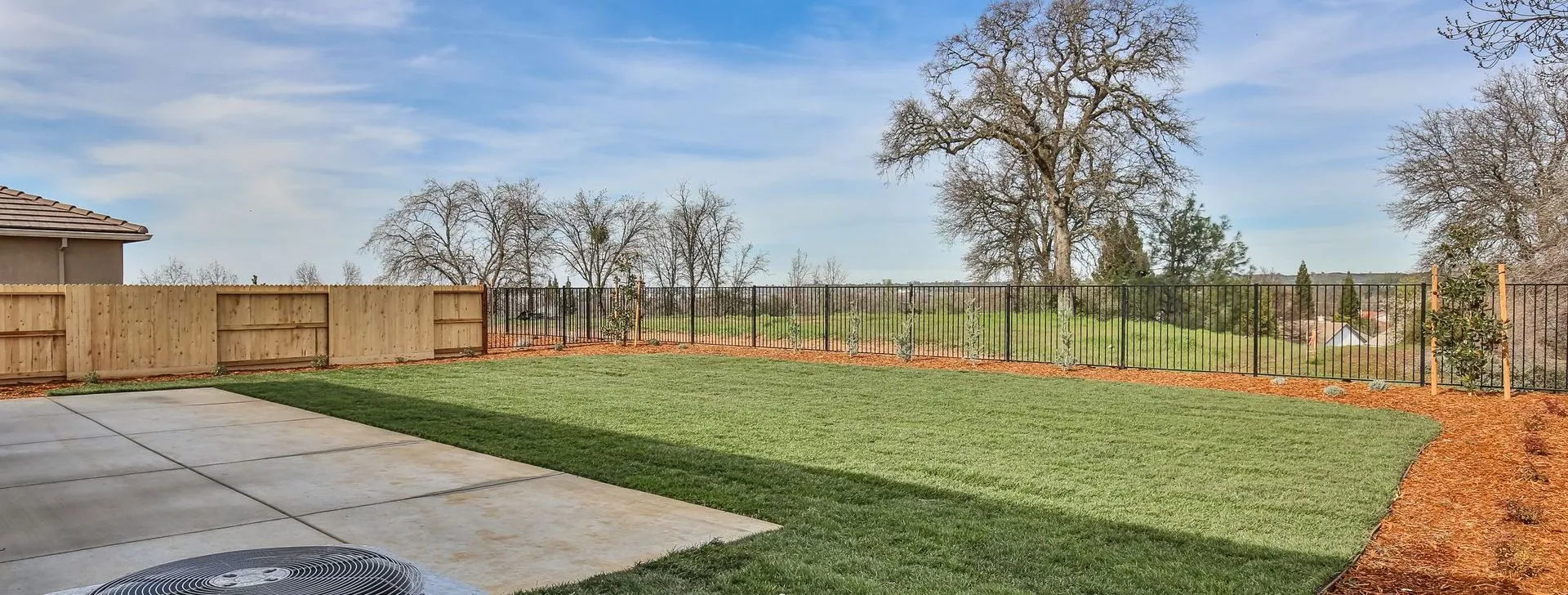
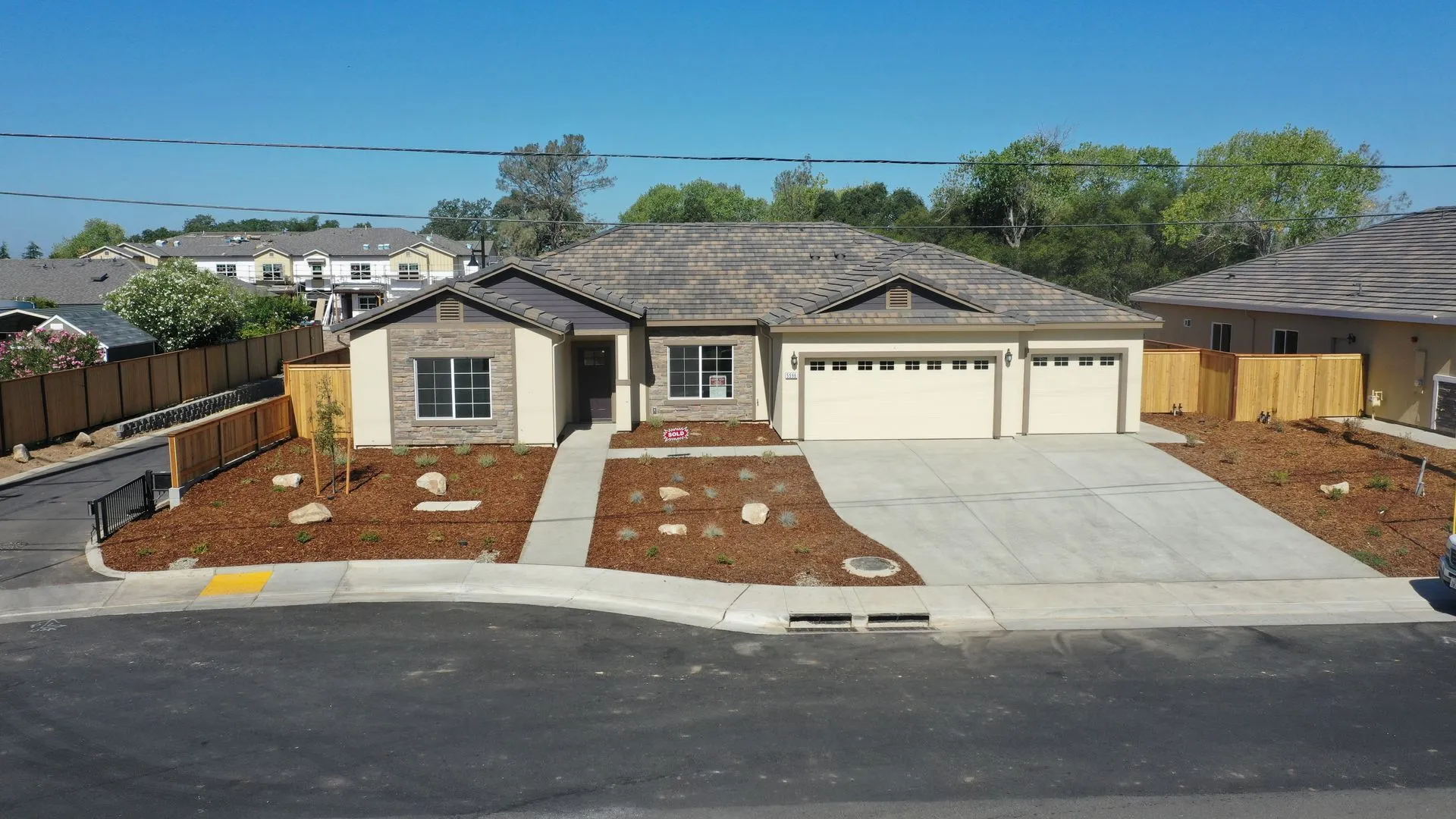
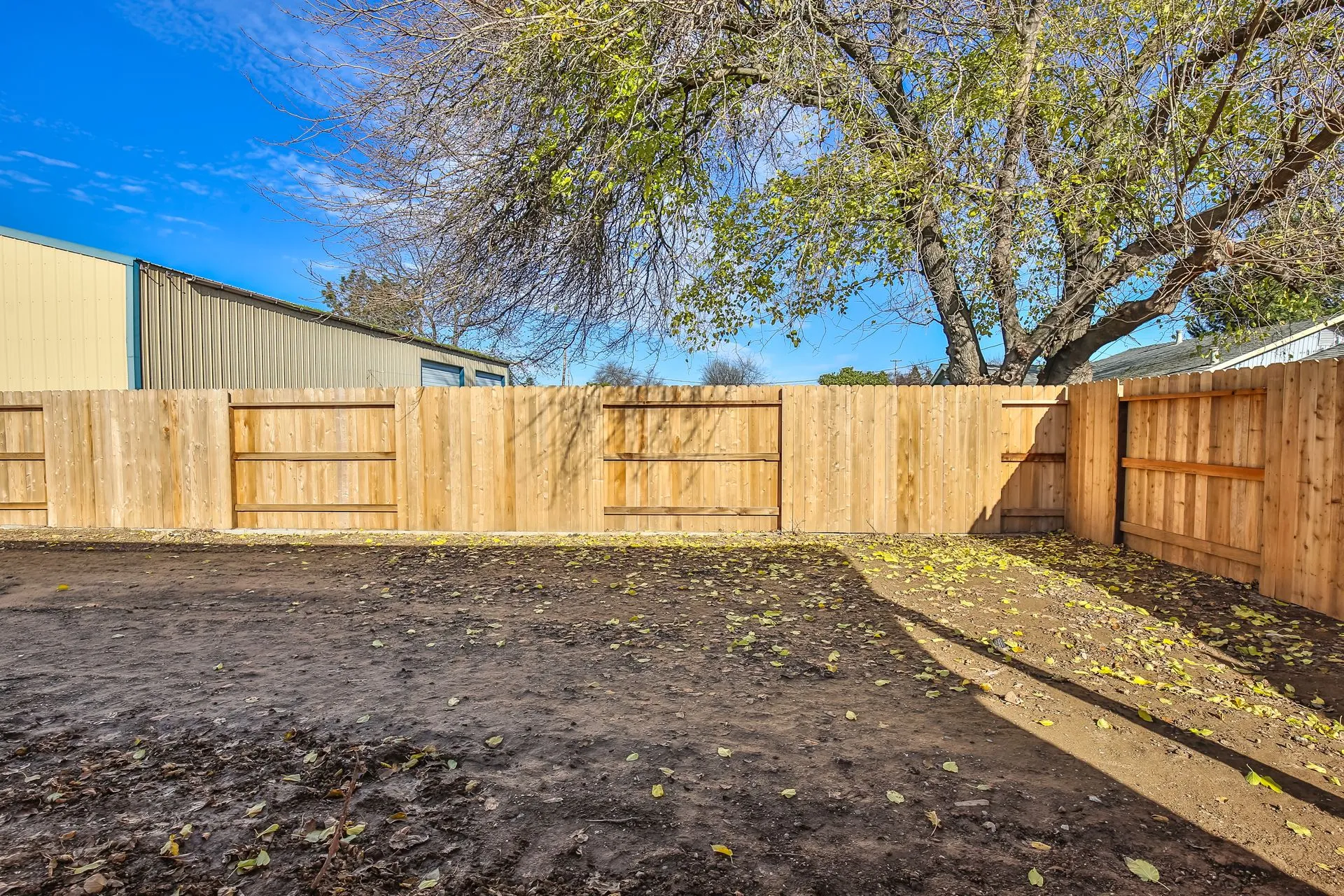
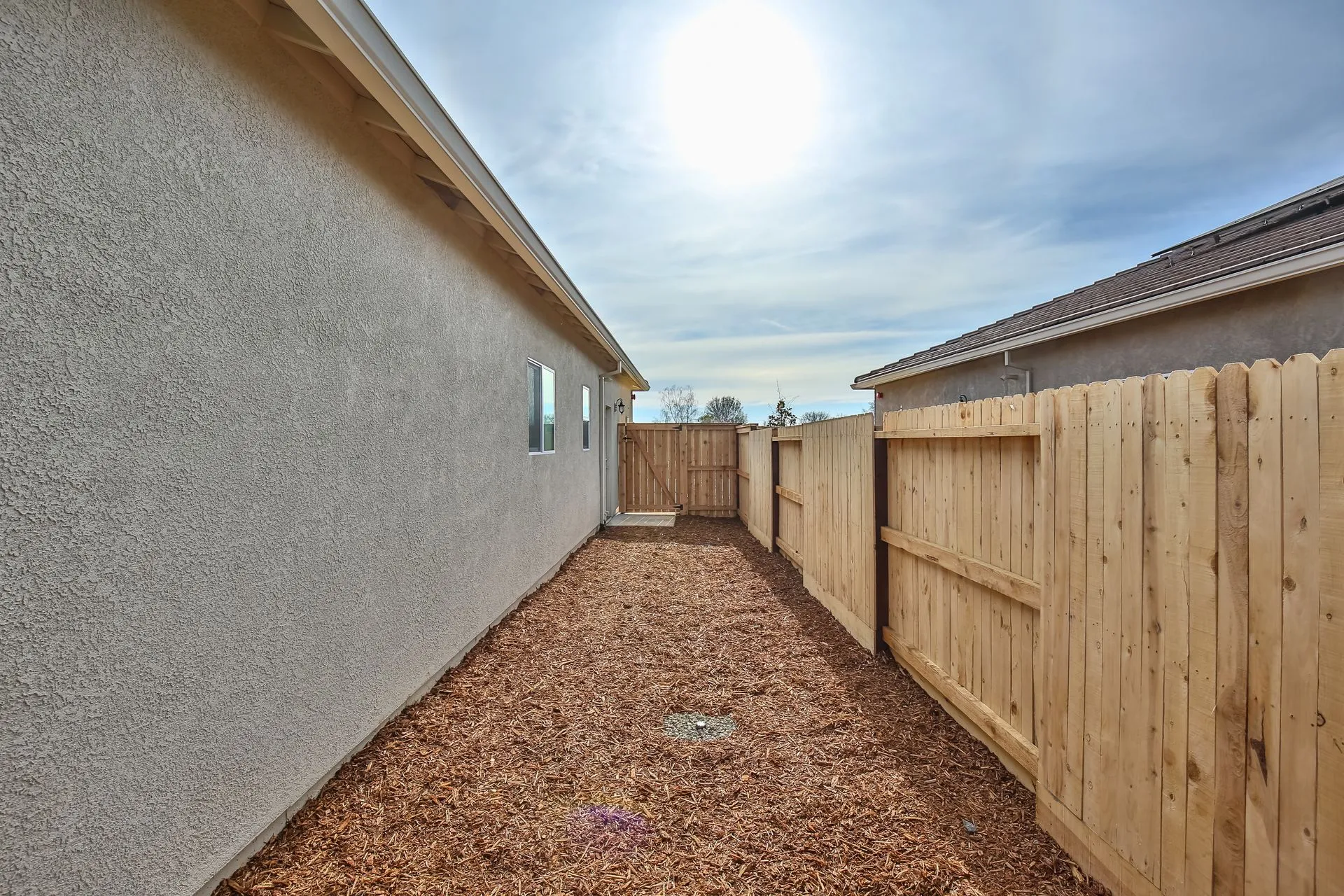
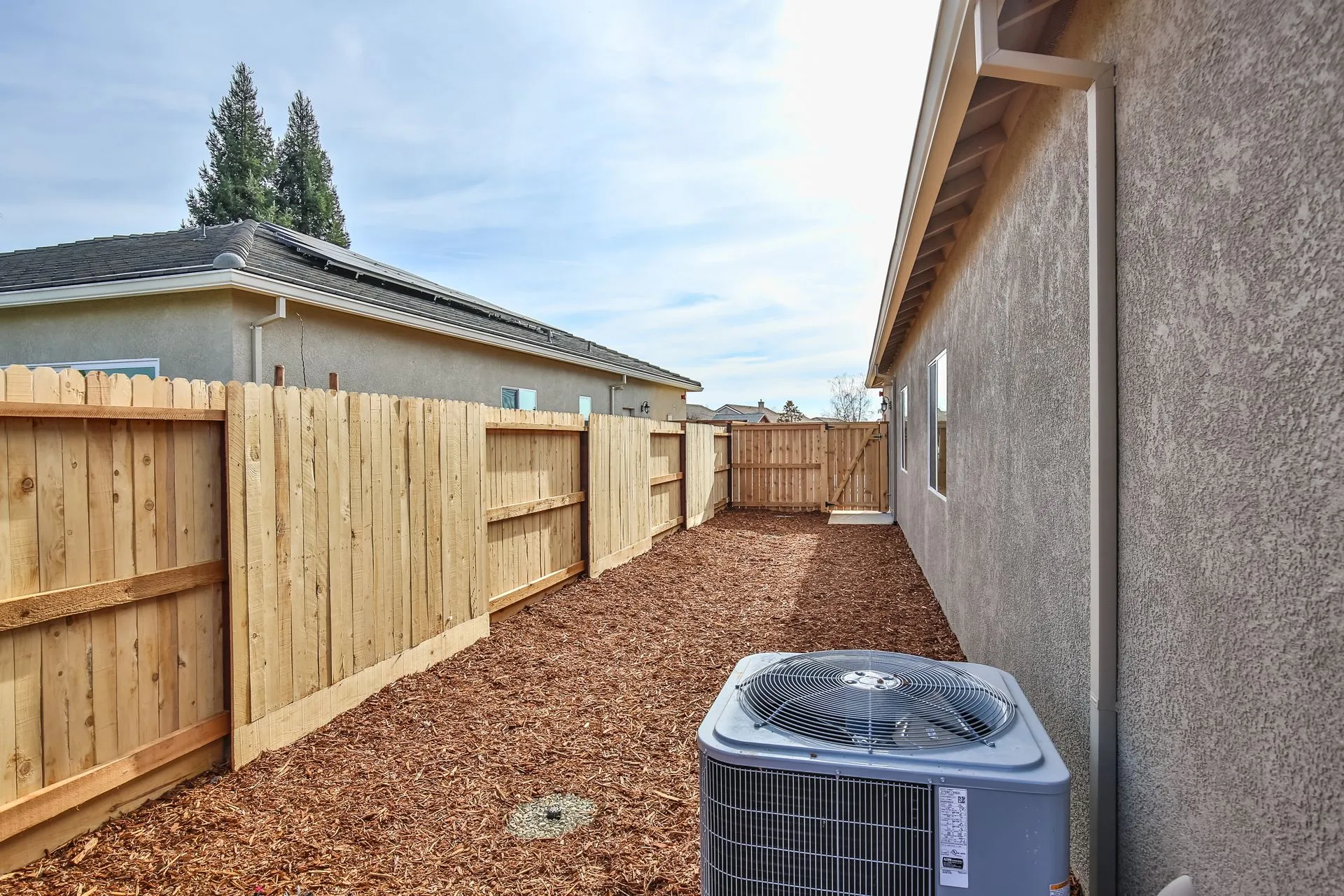
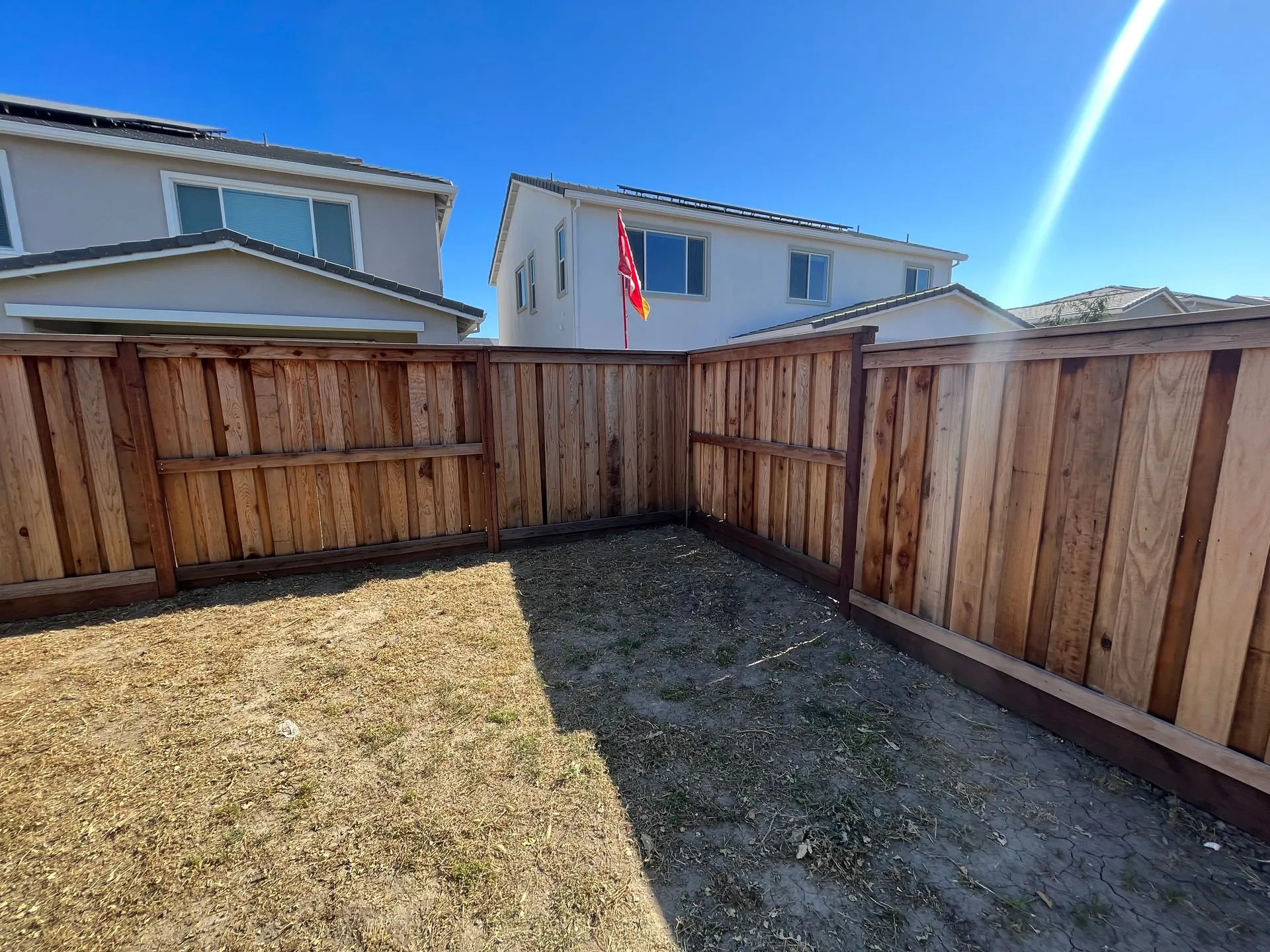
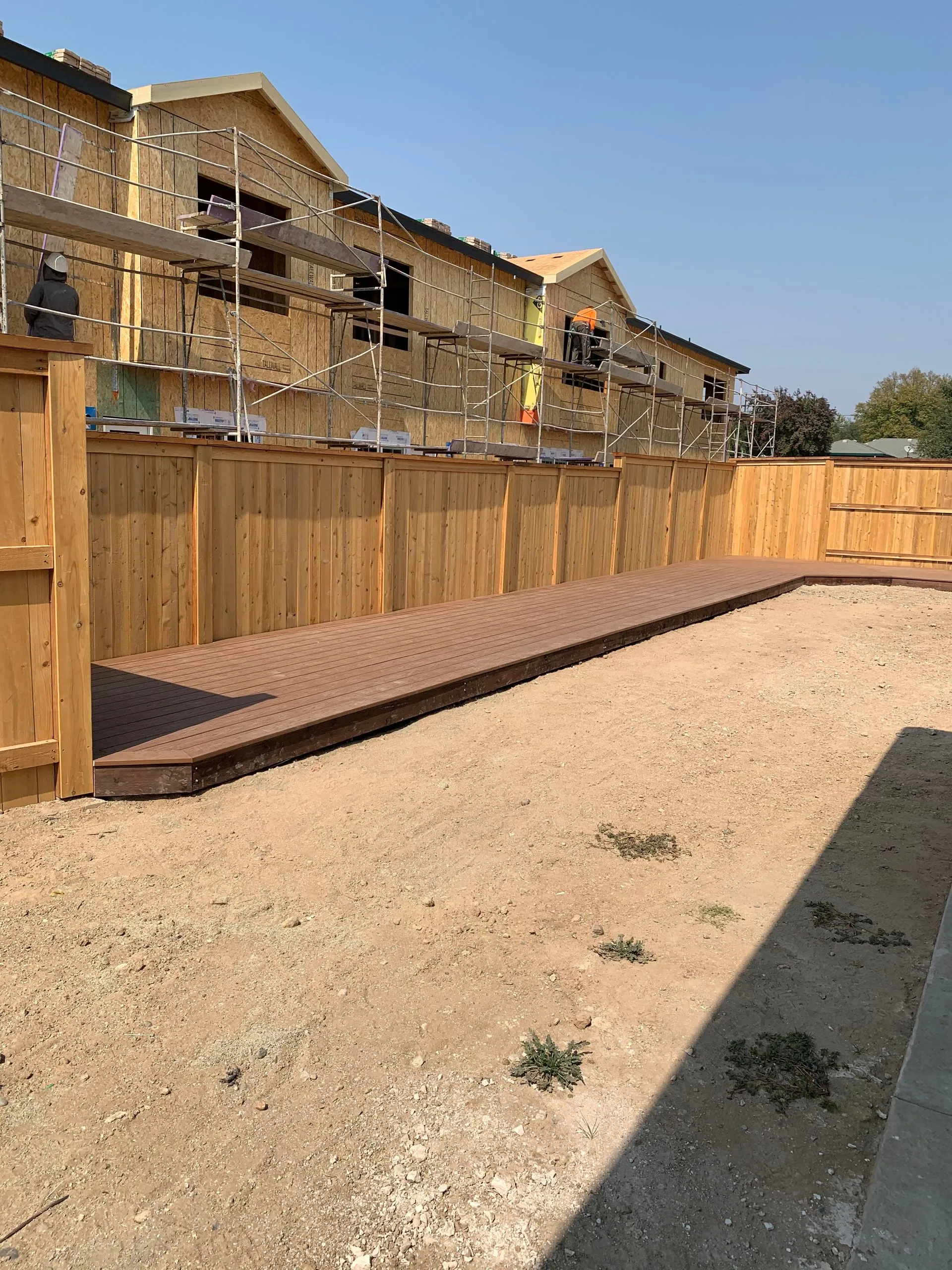
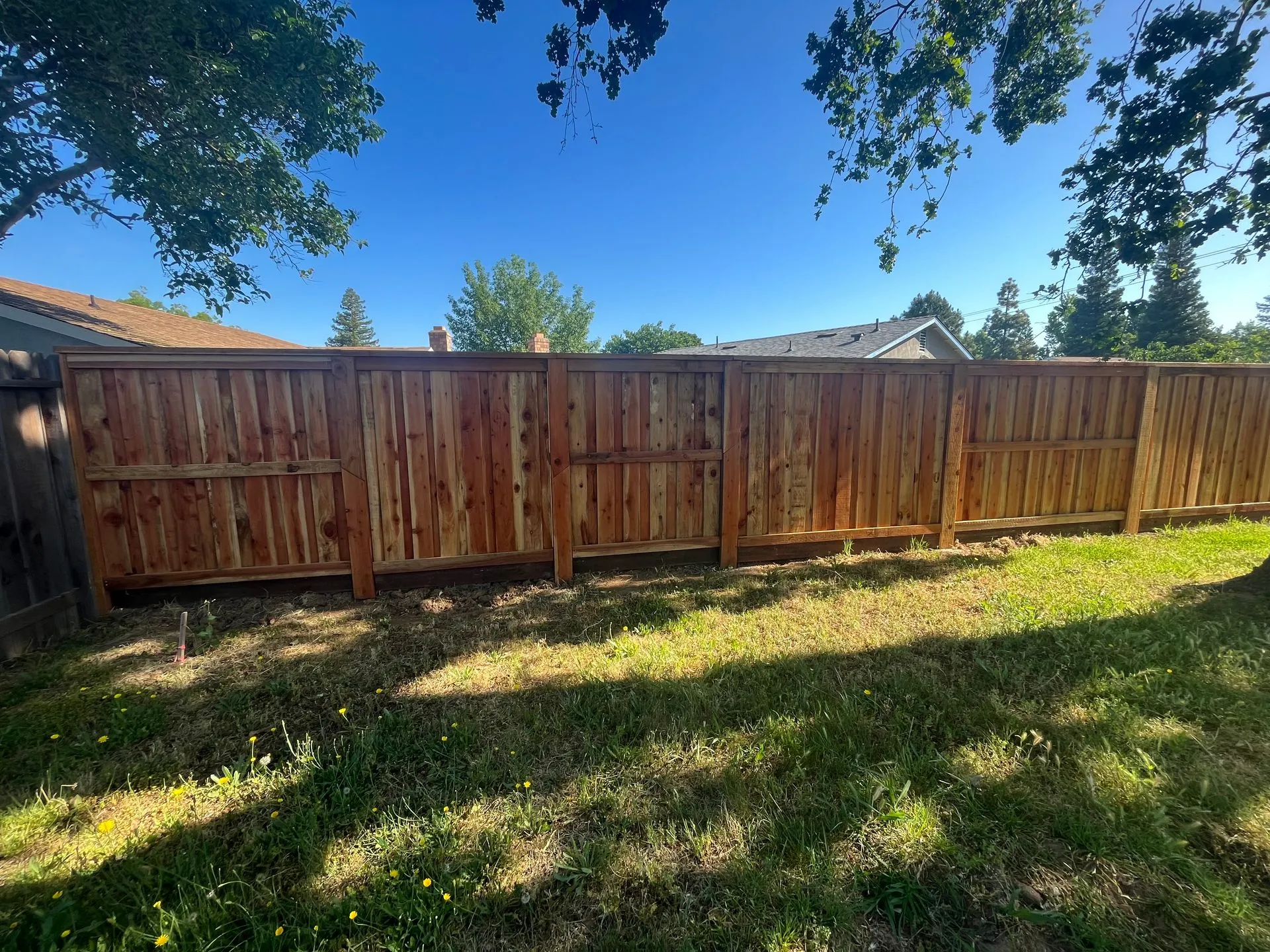
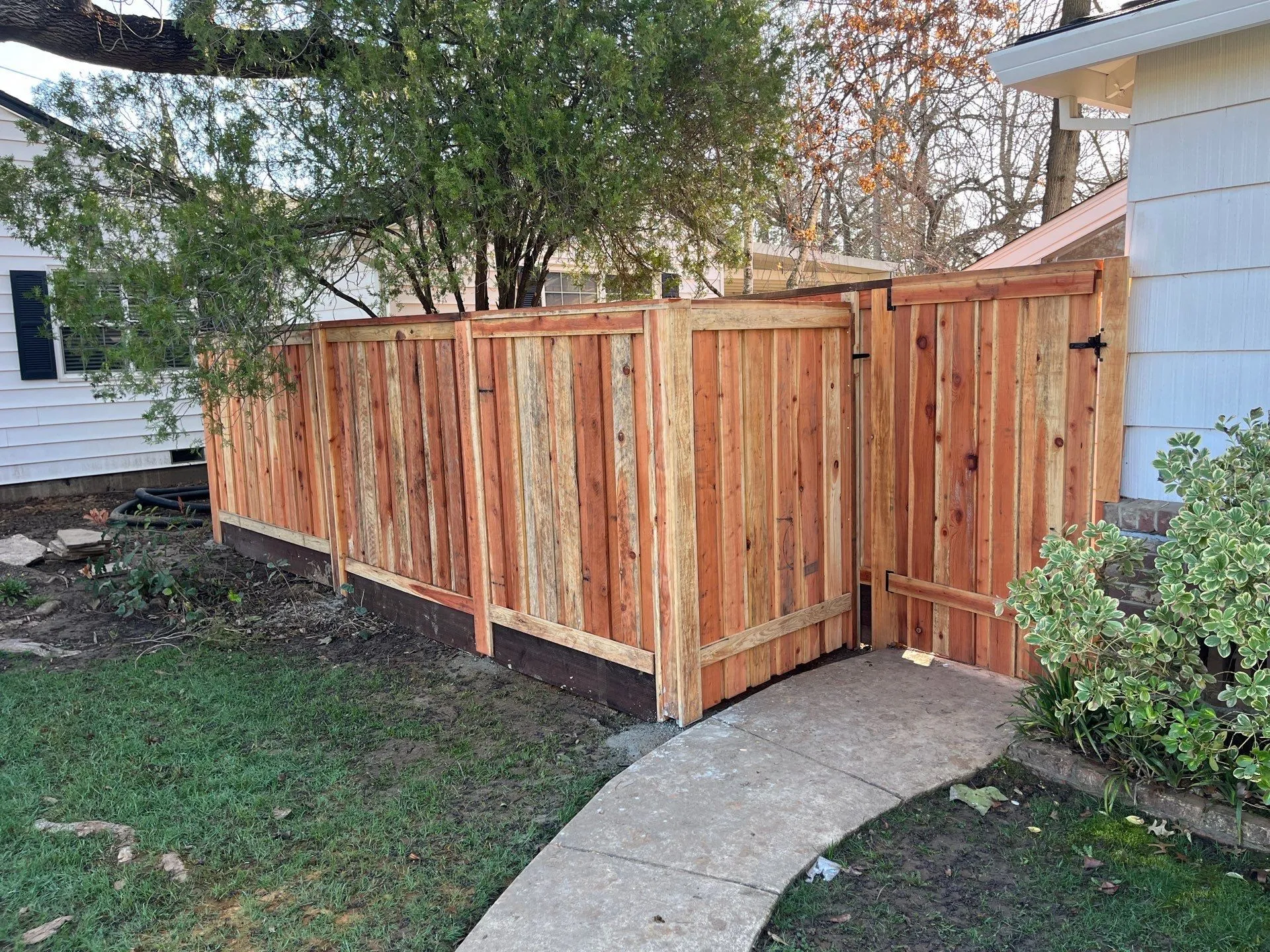
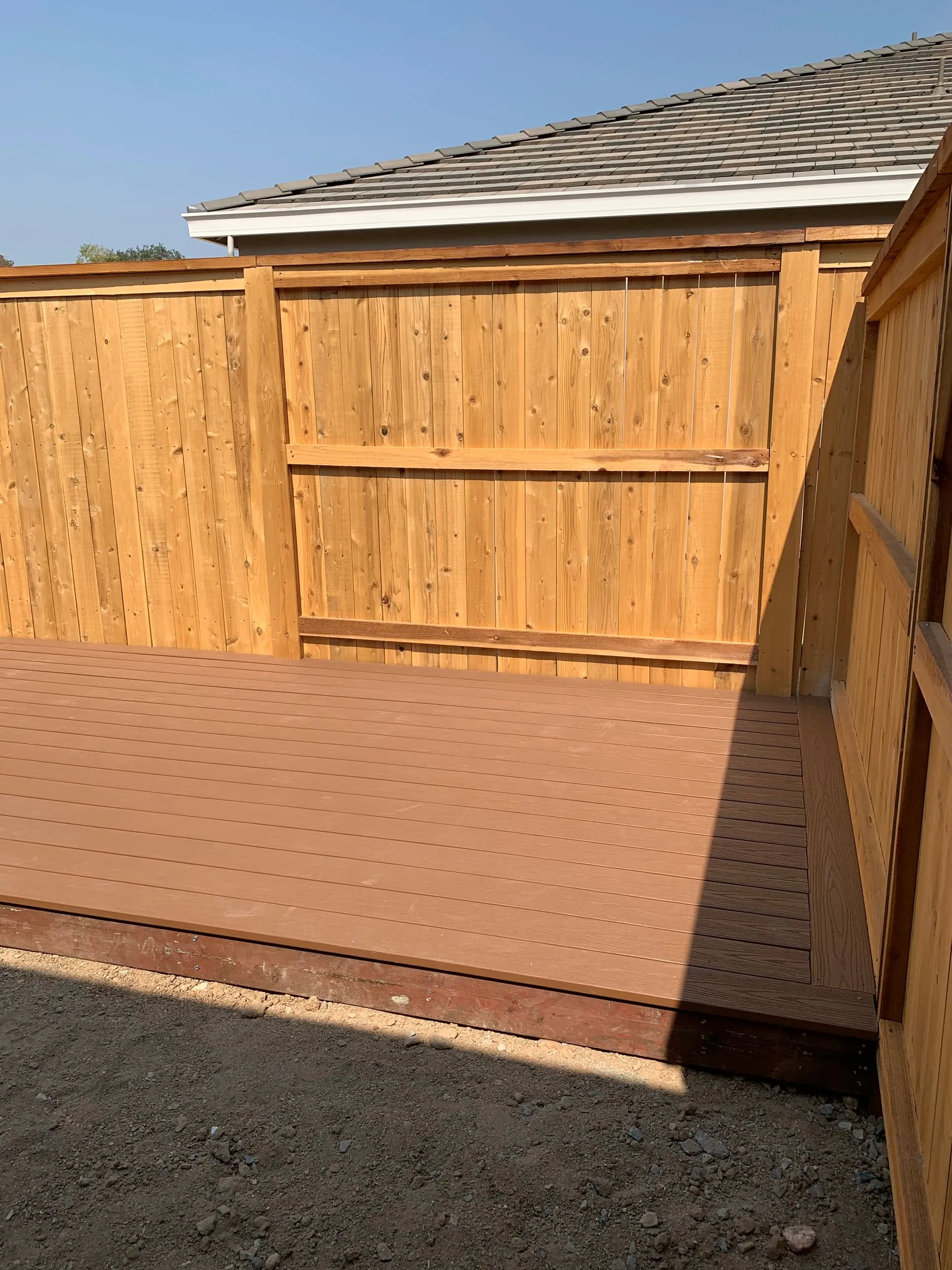
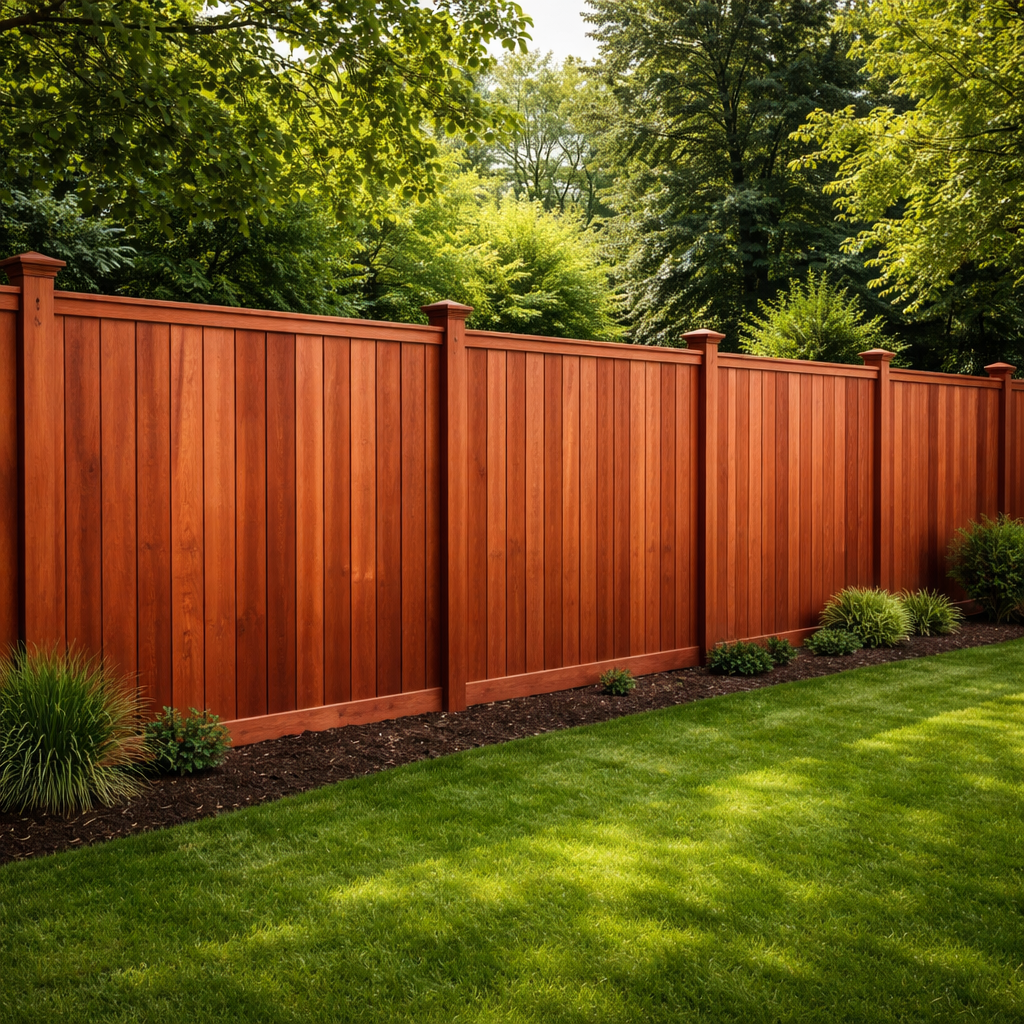
At Palisade Fence Company, we’ve seen firsthand how wood fencing is becoming the top choice for builders looking to meet environmental goals without sacrificing quality, design, or durability. Whether it’s a timeless cedar fence enhancing a residential yard or a robust redwood fence outlining a new housing development, wood continues to lead as one of the most sustainable fencing materials available today.


In this blog, we’ll explore the reasons why wood fencing is making a comeback among eco-conscious builders and why it should be part of your next green project.


The Sustainable Appeal of a Wood Fence


Wood is a naturally renewable resource, and when harvested responsibly, it has a smaller carbon footprint compared to many alternative fencing materials, such as vinyl or metal. Wood fences are biodegradable, store carbon during tree growth, and require less energy to process.


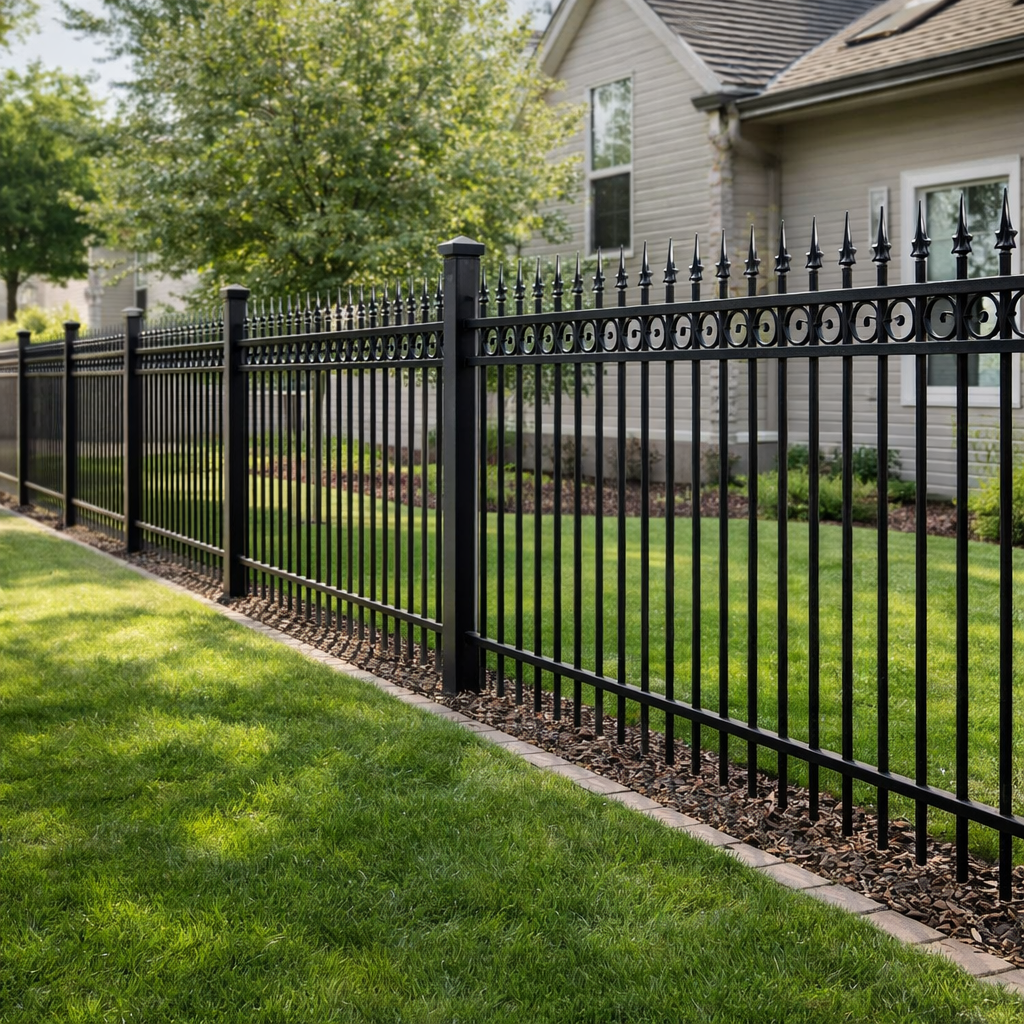
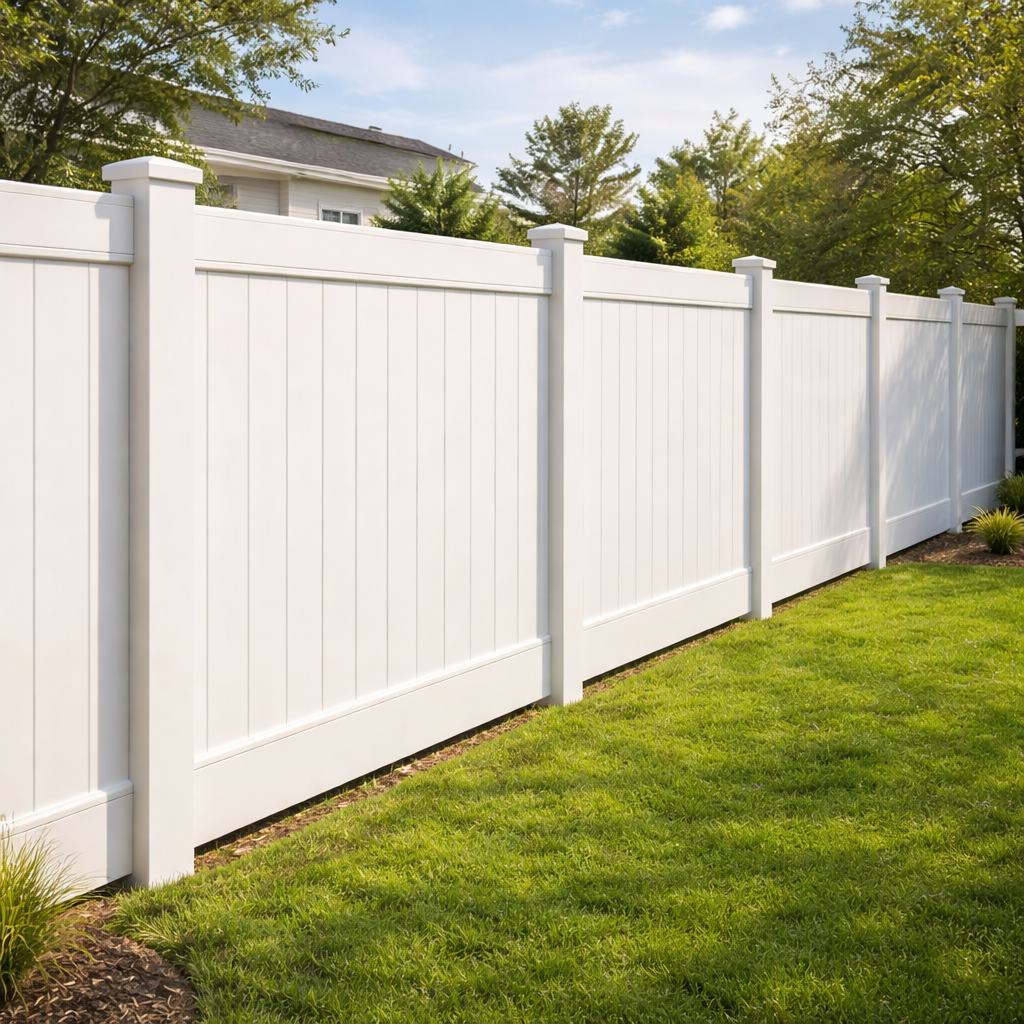
Unlike vinyl (which is derived from petroleum and typically ends up in landfills) and iron (which requires intensive mining and production), wood poses fewer long-term environmental liabilities. Builders who choose a wood fence can feel confident that they’re contributing to a circular economy, primarily if the wood is sourced from sustainably managed forests.


According to the U.S. Forest Service
, U.S. forests annually sequester over 800 million metric tons of carbon dioxide, making responsibly harvested wood one of the most climate-friendly building materials available.

Why Cedar and Redwood Are the Builder’s Choice


Not all wood is created equal. Among the most popular wood fencing materials for sustainable construction projects are cedar and redwood, and for good reason.


1. Naturally Durable
 

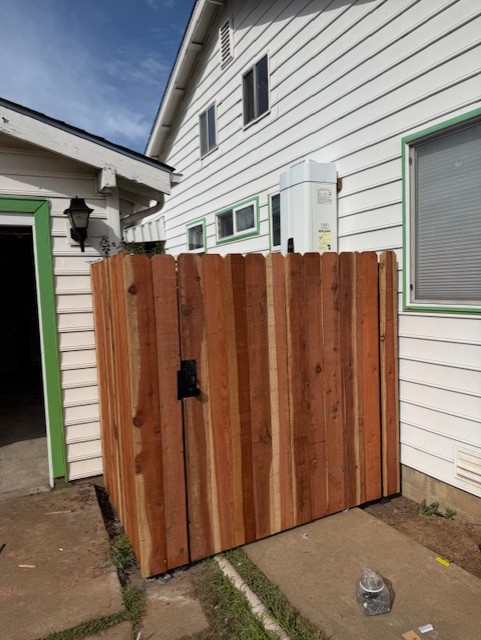
Both cedar and redwood contain natural oils and tannins that make them resistant to insect damage and rot. This natural durability means treatments and chemicals are often unnecessary, leading to less environmental runoff and fewer chemical emissions on-site.


2. Locally Sourced Availability 

At Palisade Fence Company, our cedar fence and redwood fence materials are typically sourced from sustainably managed forests within North America. This reduces transportation emissions and supports local ecosystems.


3. Long Lifespan 

With proper installation and maintenance, a redwood or cedar fence can last 15 to 30 years. That longevity means fewer replacements, less waste, and a smaller carbon footprint over time, especially compared to materials like vinyl, which may degrade quickly under UV exposure.


4. Aesthetic Versatility 

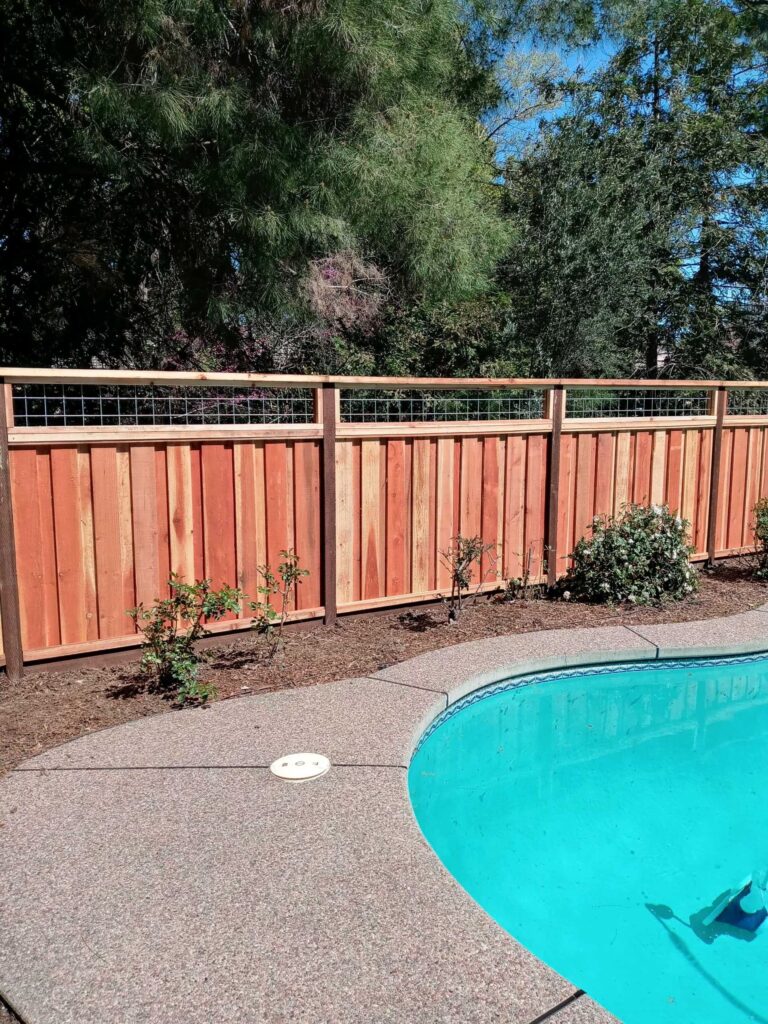
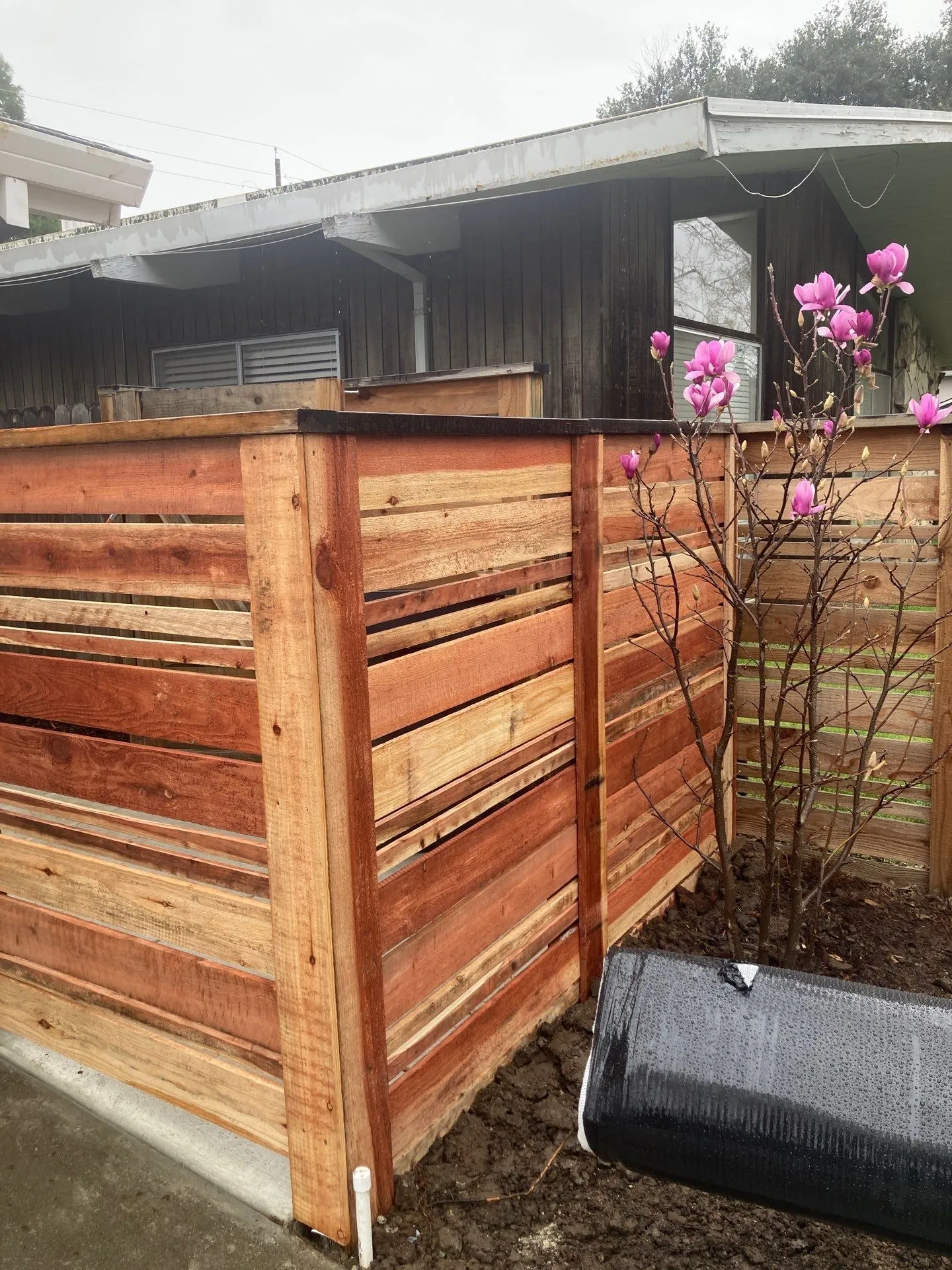
Builders love that cedar and redwood offer a wide range of design flexibility. Whether your fence design calls for horizontal slats, custom lattice tops, or full privacy panels, these woods adapt effortlessly while aging beautifully.


See how we incorporate cedar and redwood fences in our
Project Gallery.


Sustainable Fence Design: Where Form Meets Function


Sustainable building doesn’t stop at material choice. A well-thought-out fence design also plays a critical role in environmental performance. Here’s how builders can factor sustainability into the design phase:


Smart Height and Spacing 

Overbuilt fencing wastes material, while underbuilt fencing may need early replacement. Determining the right balance of height, spacing, and reinforcement for the intended purpose (privacy, pet containment, windbreak, etc.) ensures long-term functionality.


Modular Construction 

Designing with modular components can minimize waste during installation and allow for easy repairs, meaning less material is discarded over time.


Reclaimed or Recycled Wood Accents 

In non-structural parts of the fence design, builders can opt to incorporate recycled or reclaimed wood sections. This not only reduces waste but also adds a unique, weathered character to the aesthetic.


Use of Non-Toxic Sealants 

Many eco-conscious builders opt for environmentally friendly wood sealants and stains that are low in VOCs (volatile organic compounds). These contribute to healthy air quality for workers and homeowners alike.


Wood vs. Other Fencing Materials: A Sustainability Showdown


Let’s break down how wood fencing stacks up as a sustainable choice compared to common alternatives:

A traditional wood fence holds a strong position in terms of renewability, biodegradability, and low embodied energy, making it one of the most eco-friendly choices available.


Builders Benefit Too: Why It Makes Business Sense


Sustainability doesn’t just help the planet, it makes good business sense, too.


  • Growing Demand from Clients: Homeowners and developers are actively seeking eco-conscious materials as part of their build requirements or certifications like LEED.
  • Permit and Incentive Advantages: Some local jurisdictions in California offer incentives or streamlined permitting for green construction projects that utilize sustainable materials like certified wood.
  • Lower Long-Term Costs: While the upfront cost of quality wood might be slightly higher than synthetic options, the long-term value through durability, aesthetics, and minimal chemical treatment needs can lower lifecycle expenses.


At Palisade Fence Company, many of our builder clients report that offering wood fencing on a project elevates the overall design and helps attract environmentally-minded buyers or tenants.


Ready to Build Green? Let’s Talk Wood Fencing


As more builders prioritize sustainability, wood fencing is proving to be more than just a classic choice; it’s the smart one. Between the beauty, longevity, and minimal environmental impact of cedar and redwood, it’s easy to see why wood remains a go-to material for eco-conscious projects.


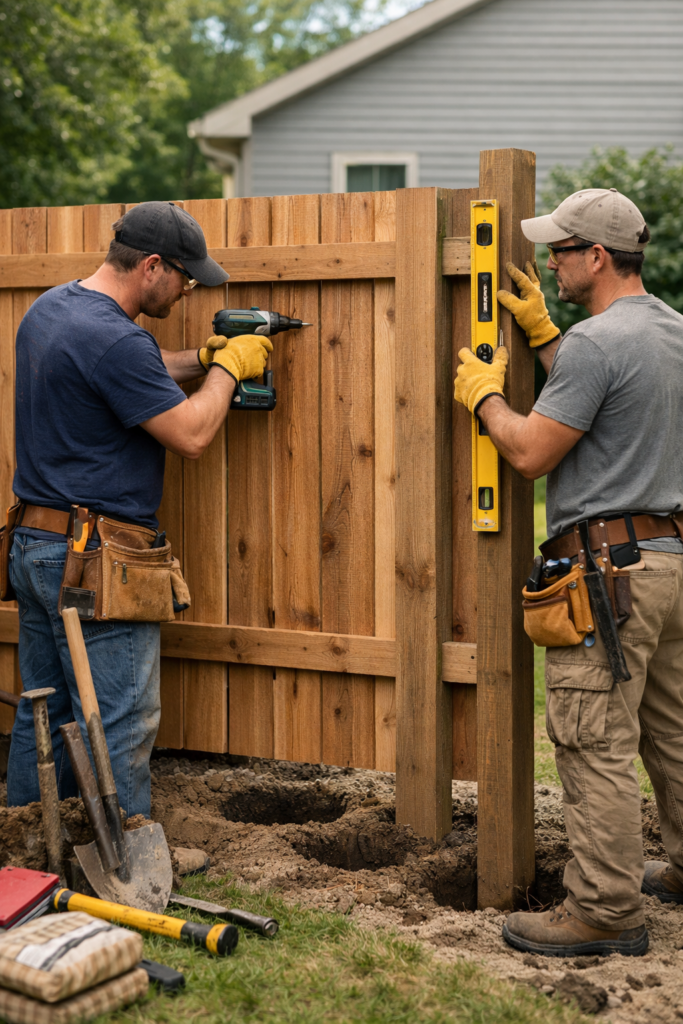
Whether you’re planning an entire development or retrofitting a residential property, our team at Palisade Fence Company is here to help. We specialize in high-quality installations using sustainably sourced fencing materials that check every box for performance, aesthetic, and environmental responsibility.


Schedule a free consultation to discuss Why Builders Are Choosing Wood Fencing for Eco-Conscious Projects with a member of our expert team.


About Palisade Fence Company


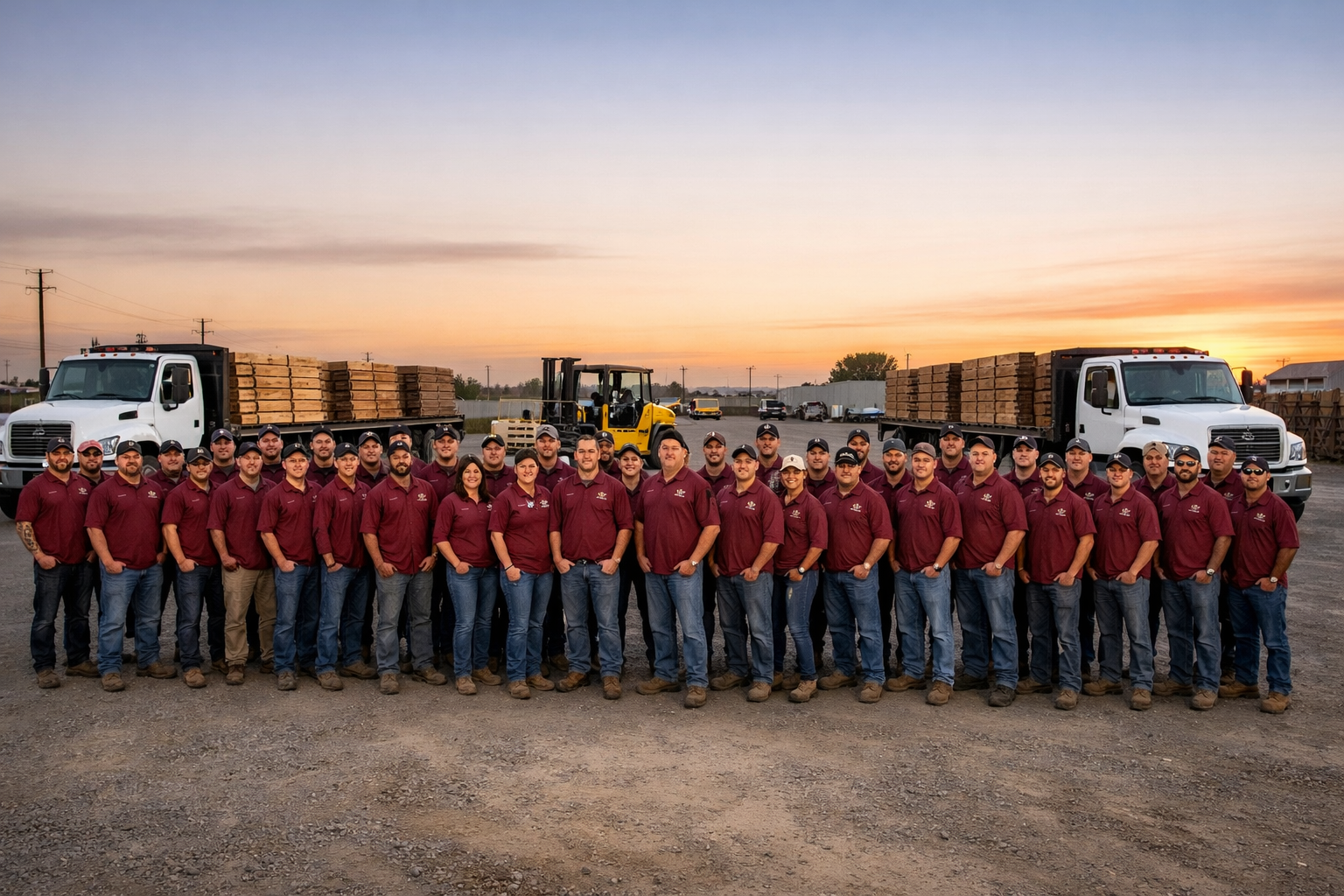
Palisade Fence Company proudly serves the greater Sacramento and surrounding areas, offering professional fence installation services for homeowners, property managers, realtors, and home builders. Whether you're in need of a customized cedar privacy fence or a long-lasting redwood solution, we bring friendly service, expert craftsmanship, and a deep commitment to eco-friendly construction to every project.

Text:
January 20, 2026
Discover the best fencing materials for California’s rainy winters. Compare wood fences, vinyl fences, and tall privacy fence designs that offer the most durability and require the least maintenance in wet weather.
Text on weathered wood background:
January 12, 2026
Discover why hiring experienced fencing contractors for your wood fence installation project matters. Learn how pros handle complex conditions, cut costs, and deliver long-lasting results.
Title card:
January 6, 2026
Discover how a thoughtful fence design can enhance your business’s curb appeal during the holidays. Learn about fence decoration ideas, wood fence choices, and the benefits of redwood and other fencing materials to attract more customers this season.
A black fence with text: “TOP MATERIALS FOR DURABLE, PROFESSIONAL-GRADE PRIVACY FENCES” in front of trees.
December 11, 2025
Discover the best materials for a tall privacy fence at commercial properties or HOA communities. Explore redwood, cedar, wood, and chain link fencing options with Palisade Fence.
Article title:
December 4, 2025
Comparing wrought iron fencing and powder-coated steel? Learn the differences in style, strength, rust resistance, and maintenance so you can choose the ideal metal fence for your Sacramento-area property.
Text on a fence:
October 29, 2025
In this blog, we break down the unique advantages of working with a regional expert, from faster response times and site familiarity to better material sourcing and code compliance. Learn why local partnerships often lead to smoother installs, fewer delays, and more reliable long-term support.
Text on a fence: Secure outdoor fencing solutions for pet daycares, clinics, and boarding facilities.
October 24, 2025
In this blog, we explore the best fence design options for high-traffic pet environments—from durable redwood and wood fence styles to practical layout considerations. Learn how to balance safety, aesthetics, and functionality when choosing a secure fence for dogs that also supports your business operations.
Aerial view of a residential area, with text:
September 24, 2025
When it comes to securing commercial spaces or managing multi-unit properties, choosing the right tall fence goes beyond aesthetics—it’s about safety, compliance, and long-term durability.
Text overlay:
September 17, 2025
Tall fences can offer privacy, security, and aesthetic consistency in HOA communities—but only if they comply with California’s strict regulations. In this article, we cover the essentials every HOA board and property manager should understand before approving a new fence installation.
Workers installing a wooden fence; text overlay:
September 12, 2025
The right fence can elevate a property’s appearance and boost its overall value, especially when installed by a professional. In this blog, we break down how a high-quality wood fence adds long-term benefits for multi-unit developments, commercial spaces, and managed communities.